
Soaring Andean Condor photo
Patagonia

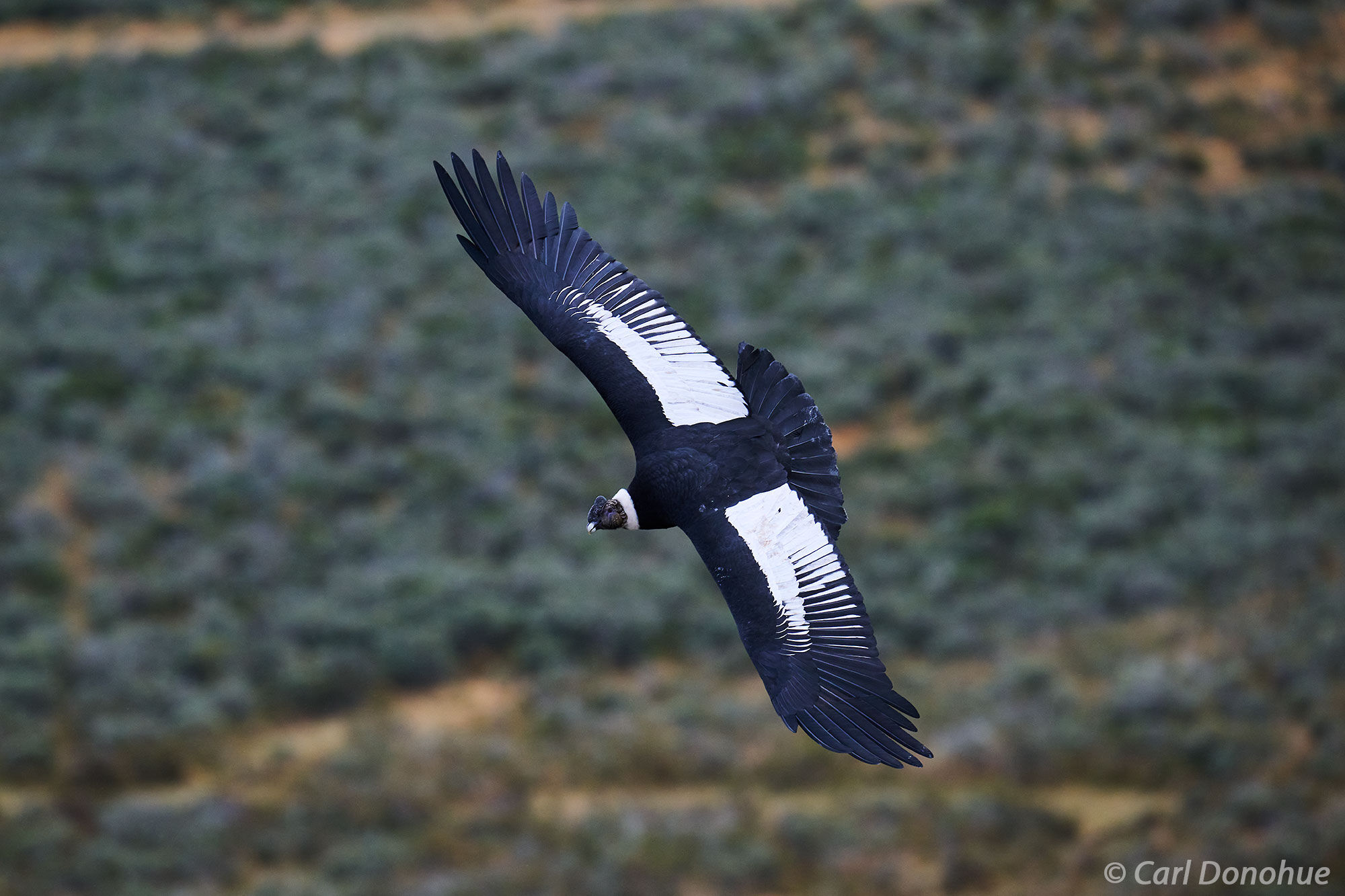

Hovering on thermals high above the scrub-covered tundra, an Andean condor surveys the windswept plains of Patagonia. Known for their ability to fly long distances without flapping their wings, these birds are a symbol of endurance and adaptation.
This landscape offers the perfect backdrop: rugged, vast, and sparsely populated. The condor’s shadow traces the land below as it searches for carrion, its keen eyesight allowing it to scan large areas with ease.
Capturing a bird of this size in flight is a rare opportunity, and the minimalist terrain of Patagonia helps highlight the elegant shape and subtle detail of its plumage. It’s a quintessential wildlife scene from one of South America’s most iconic regions.
Vultures are considered raptors — but with a few distinctions.
Raptors, or birds of prey, are generally defined as birds that hunt and feed on other animals using strong talons, beaks, and keen eyesight. Vultures fit this category because they have:
Hooked beaks for tearing flesh
Excellent vision for spotting food from great distances
Large, powerful wings for soaring
However, unlike most raptors (like hawks or eagles), vultures are primarily scavengers, feeding on carrion instead of hunting live prey. So while they’re biologically raptors, their ecological role is different — they're cleanup crew rather than hunters. Photo © copyright by Carl Donohue.
#25-patagonia-andean-condor-photos-8568