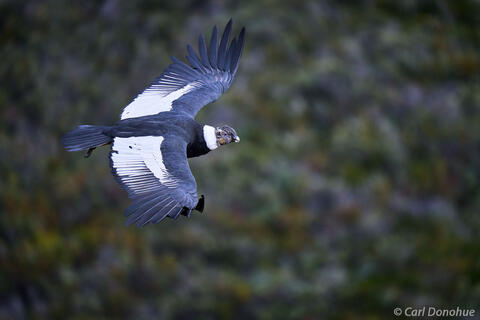
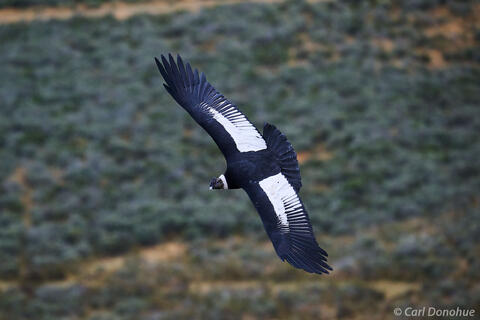
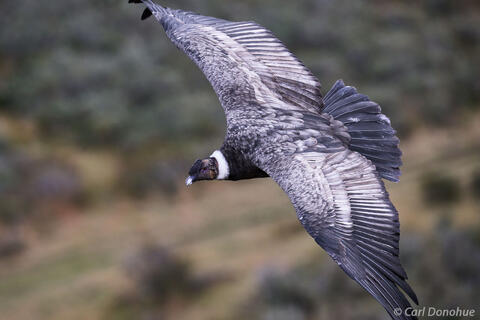
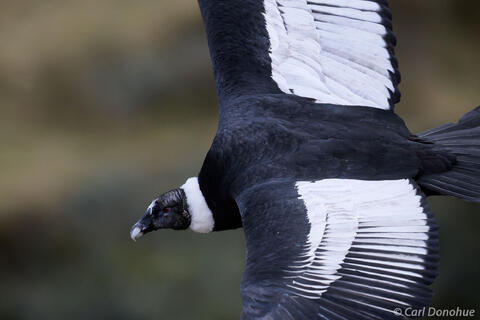
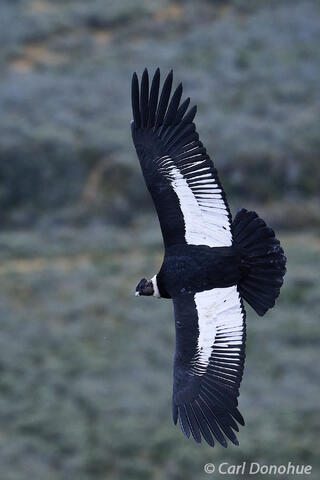
Vultures are some of the most efficient and ecologically important scavengers on the planet. Found on every continent except Australia and Antarctica, these birds play a critical role in ecosystems by feeding on carrion, helping to prevent the spread of disease and recycling nutrients back into the environment. Their powerful digestive systems neutralize harmful bacteria and toxins found in decomposing animals. For those searching for vulture photos, these birds offer a unique blend of dramatic visuals and fascinating behaviors, making them a compelling subject for wildlife and nature photography.
There are two main types of vultures: Old World vultures, which inhabit Europe, Asia, and Africa, and New World vultures, found in the Americas. Despite their similarities, these groups are not closely related—an example of convergent evolution. Popular species captured in vulture photography include the Andean condor, king vulture, griffon vulture, and the iconic turkey vulture of North America. Each species varies in size, coloration, and behavior, offering a range of visual diversity for photographers and content creators sourcing high-quality images of vultures.
Vultures are easily recognizable by their large wingspans, bald heads, and graceful soaring flight. The bald head, often viewed as unattractive, is actually a hygienic adaptation that keeps their feathers clean while feeding. Their ability to locate food is exceptional, with some species relying on sharp eyesight while others, like the turkey vulture, use an acute sense of smell. Capturing these birds in flight or during feeding moments makes for stunning stock vulture images that are both dramatic and educational.
Despite their value to ecosystems, many vulture species face serious conservation challenges. Habitat destruction, poisoning, and hunting have led to steep population declines, particularly in parts of Africa and Asia. Organizations around the world are working to conserve these birds through education, habitat protection, and captive breeding programs. For photographers, documenting vultures in the wild is not just about dramatic imagery—it's also an opportunity to tell important conservation stories through compelling vulture photos.